Zánět okostice zubů: Příznaky, Příčiny a Léčba
Klára Horáková
Zubní implantace: Co je to, když je vhodná a co vás čeká
When you lose a tooth, your mouth doesn’t just lose a piece of enamel—it loses function, confidence, and even bone structure over time. A zubní implantace, trvalá náhrada zubu, která se osadí přímo do čelistní kosti a slouží jako nový kořen pro korunku. Also known as zubní implantát, it is the only solution that stops bone loss and feels just like your natural tooth. Unlike dentures or bridges, it doesn’t rely on neighboring teeth for support. It stands alone, strong and stable, and with proper care, it can last decades.
Not everyone is a candidate right away. If you’ve lost a tooth due to injury, decay, or gum disease, your jawbone needs to be thick enough to hold the implant. If it’s worn down, a bone graft might be needed first—something we see often in patients who waited too long to replace a missing tooth. People with uncontrolled diabetes or heavy smokers face higher risks, but even then, many can still get implants with proper planning. The key isn’t just having a missing tooth—it’s having a healthy enough foundation to support it.
What about the pain? Most patients say the worst part is the anxiety before the procedure. Afterward, swelling and mild discomfort usually last just two to three days. Many go back to work the next day. The implant itself doesn’t hurt—it’s the healing tissue around it that causes temporary sensitivity. If you’ve read about zubní implantace and worried about weeks of pain, that’s a myth. Modern techniques and local anesthesia make it one of the most predictable procedures in dentistry.
Implants aren’t just about replacing one tooth. They’re the foundation for fixing multiple missing teeth, stabilizing full dentures, or even rebuilding an entire arch. They work with crowns, bridges, or overdentures. If you’ve been avoiding smiling because of gaps, or if your dentures slip when you eat, implants change everything. You’ll chew better, speak clearer, and stop worrying about your appearance.
Behind every successful implant is good hygiene. You can’t ignore brushing and flossing just because it’s not your natural tooth. Plaque still builds up around it, and gum disease can still attack the bone holding it in place. That’s why we see so many posts here about zubní hygiena, pravidelné čištění a péče, která zajišťuje dlouhodobou stabilitu implantátu, and why ultrasonic cleaners and proper toothbrushes are so often mentioned. Your implant needs the same care as your real teeth.
What you’ll find in these articles isn’t marketing fluff. It’s real experiences: how long the pain lasts after placement, what happens if you skip checkups, why some implants fail and others don’t, and how to spot early signs of trouble. You’ll read about people who waited years to fix a missing tooth, and those who acted fast. You’ll see how implants compare to bridges, dentures, or even temporary solutions like snap-on teeth. And you’ll learn what really matters after the procedure—because the day you get your new tooth is just the beginning.
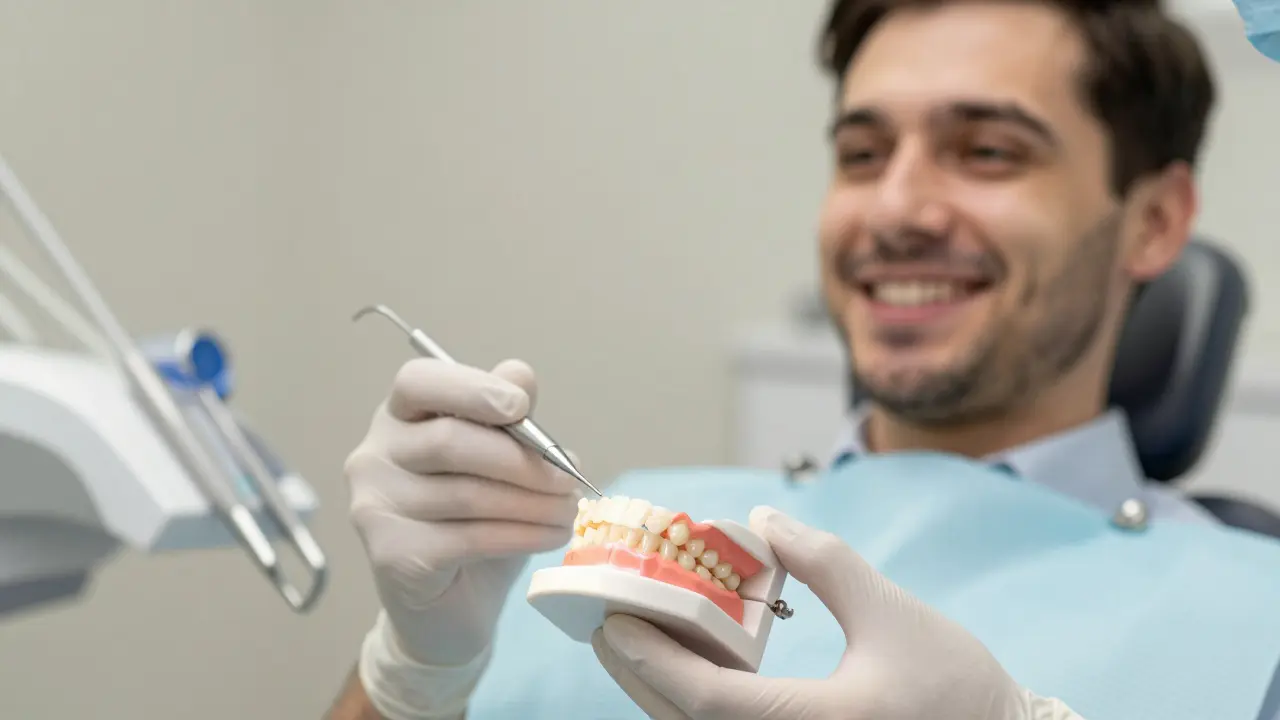
Zjistěte, kolik skutečně stojí zubní protéza na pevno v roce 2026. Porovnání cen korunek, mostů a All-on-4, vliv materiálů, implantátů a kliniky. Co pokrývá pojištění a jak se vyhnout drahým chybám.
Klára Horáková úno 7, 2026
Zubní implantáty nejen vracejí zub, ale chrání vaši čelist, zabraňují rozpadu kosti a obnovují kvalitu života. Zjistěte, proč je to nejlepší investice do vašeho úsměvu.
Klára Horáková pro 24, 2025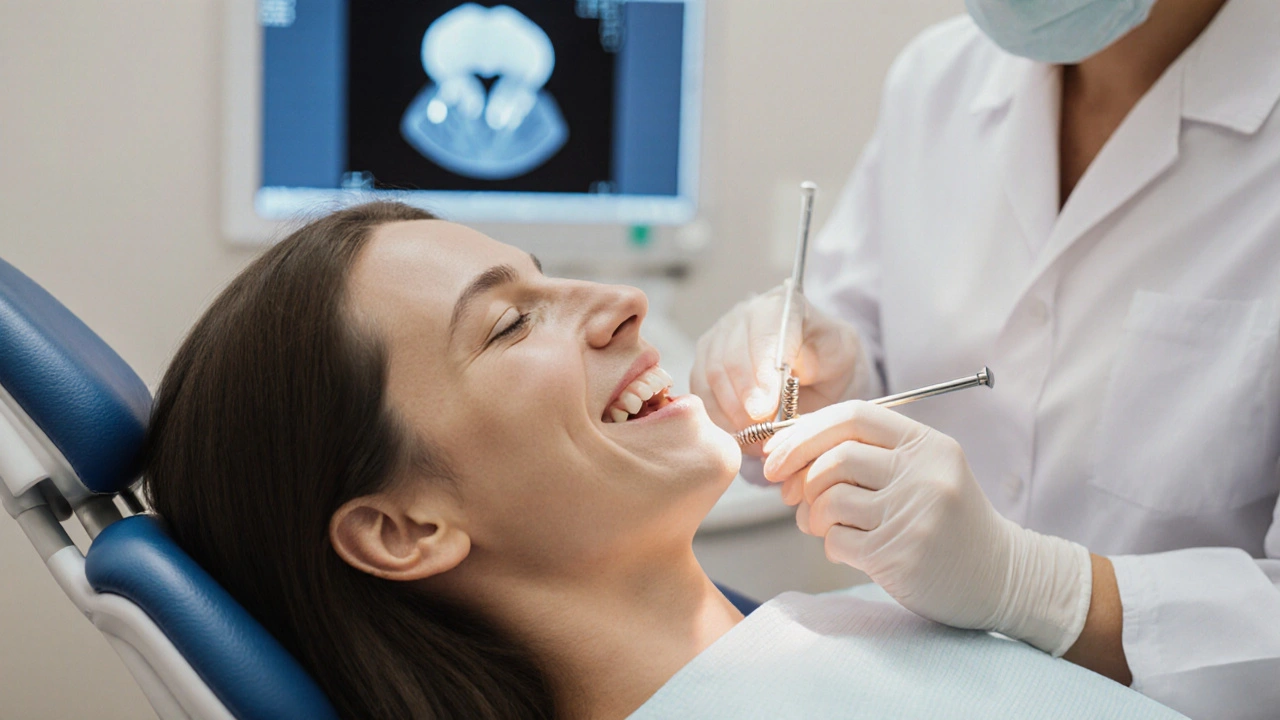
Zubní implantát nebolí tak, jak si lidé myslí. Víte, co skutečně cítíte po operaci, jak dlouho trvá hojení a kdy je třeba se obrátit na lékaře? Zjistěte, proč většina lidí říká: „Měl jsem to udělat už dříve.“
Klára Horáková lis 11, 2025